Signed in as:
filler@godaddy.com
.png/:/rs=w:1209,cg:true,m)
New York Fashion Week has become a powerful reflection of the impact Black creatives have had on the fashion industry. From designers and models to stylists and photographers, Black talent is no longer on the margins of the conversation. Today, Black designers are shaping trends, defining culture, and leading some of fashion's most important conversations. The progress is undeniable, but the work is not finished. Greater visibility on the runway must be matched by equal access to funding, leadership opportunities, retail partnerships, and decision-making positions throughout the industry.
As designer Kerby Jean-Raymond noted, “Think about how much fashion profits from Black culture and how underrepresented we are in the industry.”
And as Aurora James' Fifteen Percent Pledge has demonstrated, true inclusion is about creating lasting economic opportunity, not just representation.
As we celebrate Black designers during NYFW, we honor both the pioneers who opened doors and the next generation determined to widen them. The runway has changed, but the mission remains the same: to build a fashion industry where creativity, opportunity, and influence are equally shared.

Even in life's most difficult moments, hope can emerge and healing is possible.
National Suicide Prevention Month is a time to raise awareness, reduce stigma surrounding mental health, and encourage open conversations about emotional well-being. It reminds us that no one should face their struggles alone and that seeking help is a sign of courage, not weakness.
Just as the flower continues to grow despite adversity, this image reflects the importance of hope, compassion, and the life-changing impact of support. By reaching out, listening without judgment, and fostering a culture of understanding, we can help create a world where every person feels seen, valued, and empowered to keep moving forward.

As reflected in the above image, Hispanic Heritage Month is more than a celebration of the past. It is a celebration of the people, traditions, and contributions that continue to shape our communities and enrich our collective future.
This is opportunity to recognize the generations of Hispanic Americans who have enriched our nation through their contributions to art, business, education, science, public service, and culture. We honor traditions that have been passed down through families, celebrate cultural identity, and acknowledge the resilience, creativity, and leadership found throughout Hispanic communities. Recognizing Hispanic heritage, strengthens connections across cultures, foster appreciation for diversity, and ensure that the stories, achievements, and voices of Hispanic Americans continue to be valued.

Experience the pinnacle of fashion, culture, and philanthropy at
The Tents 2026 Southampton Fashion Festival & Fundraiser, a premier two-day event celebrating this year's theme, "Conscious Couture: The New Luxury." Set against the stunning backdrop of Southampton, New York, this immersive fashion experience brings together visionary designers, artists, tastemakers, and community leaders for an unforgettable weekend.
Opening Night features special host Lenny Green of The Quiet Storm, with an evening of runway presentations, live entertainment, art, food, shopping, and celebrity DJ performances. Guests will enjoy showcasing collections from acclaimed designers including Keis to Joy,
Sigi’Nommo and Acid Klubhouse,, alongside works from renowned fine artist Danielle Bowman, dance and live musical performances throughout the event.
More than a fashion festival, The Tents is a celebration of sustainable luxury, creativity, and community impact, raising funds to support important cultural and community initiatives. Join industry influencers, fashion enthusiasts, and supporters for a spectacular weekend where style meets purpose.
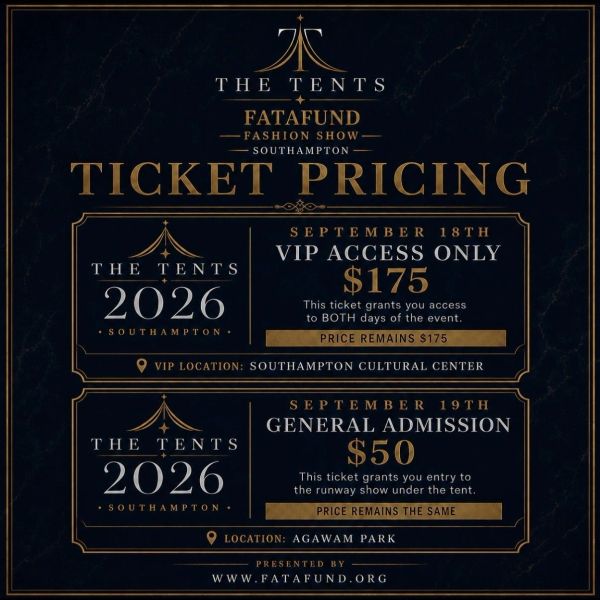
VIP RESERVATIONS INCLUDES BOTH OPENING NIGHT WITH LENNY GREEN ON THE 18TH AND INSIDE TENT RUNWAY ON THE 19TH.
LIMITED SEATING INSIDE CLOSED TENT
GENERAL ADMISSION INSIDE TENT $50 SEPTEMBER 19TH ONLY!
VENDORS
EMAIL: CONTACT@FATAFUND.ORG

Lenny Green’s unmistakable silky baritone and smooth delivery have made him one of radio’s most iconic voices. As host of the nationally syndicated Quiet Storm with Lenny Green, he has built a loyal following by creating the perfect late-night blend of classic and contemporary R&B.
A Brooklyn native, Lenny began performing at age 12 at the world-famous Apollo Theater and later studied Broadcast Communications at Kingsborough Community College. His award-winning radio career has included stops in Virginia, Connecticut, and New York’s legendary 98.7 KISS-FM, where he hosted the popular Kissing After Dark with Lenny Green.
Throughout his career, Lenny has interviewed some of the biggest names in entertainment, earned Billboard Magazine’s Air Personality of the Year award, and expanded his work into voice-overs, event hosting, consulting, writing, and community service. Today, he remains a respected broadcasting veteran whose distinctive voice continues to set the mood for listeners nationwide.
Hosting THE TENTS 2026 Opening Night

The Tents 2026 proudly announces the SIP NYC as an Official Partner, strengthening our shared commitment to creating experiences that inspire, connect, and drive impact through art with purpose.
Bringing the punchlines and the good vibes, Imagine the Bronx-based stand-up comedian whose sharp wit, storytelling, and authentic perspective have entertained audiences throughout New York City for decades. Known simply as "Imagine," he has built a respected presence in the comedy scene through live performances, television appearances, and mentorship of emerging comedians. Drawing from real-life experiences, his comedy blends humor, resilience, and insight, creating a unique connection with audiences wherever he performs. FOLLOW: @IMAGINECOMEDIAN
See Imagine Live Opening night of

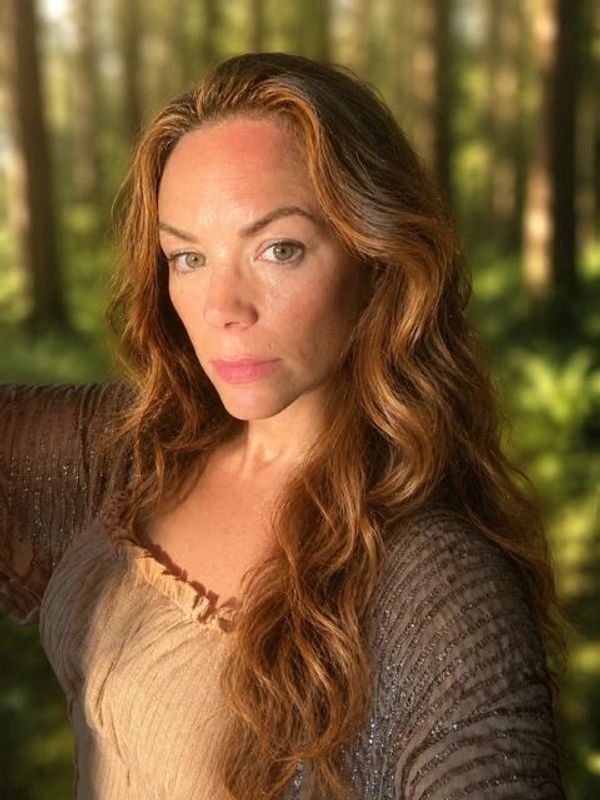
An Irish-born, New York-based singer-songwriter known for her powerful vocals, heartfelt songwriting, and captivating performances. Blending soul, emotion, and authenticity, she leaves a lasting impression on audiences wherever she performs. Follow @welcometodianaland)
Born in Ireland, Browne is a guitarist, singer, and songwriter celebrated for his Grammy-winning collaborations, record-breaking achievements, and dynamic performances. A three-time Guinness World Record holder, Browne made headlines by breaking the Guinness World Record for the longest continuous guitar performance. Starting at The Temple Bar pub in Dublin, he played non-stop for 114 hours and 6 minutes, surpassing the previous record of 113 hours. He has worked with artists including Beyoncé, Mary J. Blige, and H.E.R. Follow @davebrowne
Kool King Coconut Water is a premium organic king coconut beverage from Sri Lanka, naturally rich in electrolytes, with no added sugar. Launched by Robert “Kool” Bel, the legendary bassist and co-founder of Kool & The Gang the beverage is USDA Organic certified, non-GMO, and contains no added sugar, offering clean, crisp hydration.
Come and Experience
Refreshment Redefined

LUXURY BEGINS WITHIN

"Our village is rooted in sisterhood, but the message is for everyone seeking purpose and joy"

The KEIS to JOI collection celebrates every journey of life as a path of becoming, filled with challenge, grace and revelation. Each piece is guided by the belief that luxury is not decoration, but identity made tangible. The lock and key are not simply design elements. They are symbols of protection, self-possession, and arrival. When we arrive, we discover that the key to wisdom, courage and our heart was within us the whole time. The pieces are a reminder that the power you seek was always yours.
Every future capsule and limited edition will trace its lineage back to this origin with 27 bespoke variations. The collection encompasses refined bold and soft designs complimentary to the high-quality leather obtained from non-slaughtered sources. All bags are handmade in France.
Witness the Craftmanship and Celebrate the Brand.
FOLLOW @keistojoi

Georges Darius is an artist and designer who seamlessly blends fashion, jewelry, and storytelling to create luxury pieces that spark conversation and connection. Through his brand, Acid Klubhouse, he transforms personal experiences, cultural influences, and artistic expression into limited-edition creations with meaning far beyond the product itself.
With a background in custom jewelry and fashion design, Georges has crafted pieces associated with athletes, musicians, and entertainers while building a brand rooted in originality, purpose, and self-expression. At the heart of Acid Klubhouse is the question, “Are you gold or gold plated?”—a powerful reminder that authenticity will always outweigh appearance.
FOLLOW: @acidklubhouse

Danielle Bowman is a Louisiana native and portrait speed painter known for creating captivating, detailed portraits in just minutes. Her work captures more than a likeness—it reflects the personality and spirit of each subject.
Inspired by Louisiana’s rich culture of music, storytelling, and celebration, Danielle transforms live painting into an unforgettable experience. Whether performing at corporate events, weddings, concerts, or festivals, she engages audiences as portraits come to life before their eyes.
By blending entertainment with fine art, Danielle creates memorable moments and lasting keepsakes. Her passion for connection and remarkable speed continue to redefine live portraiture, proving that powerful art can make an impact in just minutes.
FOLLOW: @daniellebowmansfineart

Waline Arnoux is a Haitian-Dominican performer, entrepreneur, and cultural leader. After beginning her dance and music journey at age 13, she went on to lead international arts programs, represent Haiti in Paris through LabCitoyen. She studied theater and cultural administration in Belgium. Now based in New York, she has worked in modeling, fashion, and major global events while founding CHANTÉ LLC. As an artist, entrepreneur, and mother of three, Waline inspires others to pursue their dreams with purpose and perseverance. FOLLOW: @walarnoux

Sigi'Nommo is a wearable art and culture-driven fashion brand that merges contemporary streetwear with vibrant, original artwork inspired by African diasporic culture, music, fashion, and storytelling. Founded by artist and designer Pascal Marinier, the brand was created from his vision of making art an everyday experience rather than something limited to gallery walls.
Guided by the philosophy, "We Are All Pieces of Art," Sigi'Nommo elevates artists, tells cultural stories through fashion, and celebrates the richness of the African diaspora through apparel and accessories. Pascal's collections have been featured in fashion and art magazines and exhibited at the National Jazz Museum in Harlem, where he served as an Artist-in-Residence.
At its core, Sigi'Nommo is where fine art, African diasporic culture, and modern fashion converge.
FOLLOW: @siginommo
.png/:/)
Mark “MK” McLaughlin, known as the Voice of Honor, is a nationally recognized anthem singer, emcee, and community leader. He has performed for the New York Mets, New York Liberty, Connecticut Sun, Savannah Bananas Ball Tour, and Hampton Classic Horse Show, and has shared the stage with artists including Flo Rida, John Legend, and UB40.
Honored as the 2024 Times Review Media Group Community Leader of the Year and a Suffolk County Diversity Champion, MK is also the founder of We Huddle To Help, Food Unites, and Black History on Screen, bringing communities together through service, culture, and education. FOLLOW: @officialMarkMK.

Ralph Lauren is an American artist, designer, and cultural visionary whose creative work has shaped the visual language of modern American style. Through fashion, branding, and lifestyle design, he transforms themes of heritage, aspiration, and individuality into enduring expressions of the American dream.
It's famous for its multigenerational community of Black quiltmakers whose work is celebrated in museums and art collections worldwide. The collection translates the artists’ bold geometric patterns, improvisational techniques, and personal storytelling into limited-edition pieces.
Photo www.ralphlauren.com
The latest installment of Ralph Lauren’s Artist in Residence program is Ralph Lauren x Gee’s Bend, launched on July 28, 2026. It is the fifth collaboration in the program and features renowned Gee’s Bend textile artists Claudia Pettway Charley and Loretta Pettway Bennett, whose quilt making traditions are recognized as an important form of American art.
He uses fashion as his medium, crafting a romantic vision of the American experience through design, color, texture, and storytelling. This Gee’s Bend collaboration is a strong contemporary example of Ralph Lauren as an American Artist. It shows him acting as a cultural curator and storyteller, using fashion and design to celebrate and amplify distinctly American artistic traditions.
Disability awareness has fueled the growth of adaptive fashion—clothing designed to meet a variety of physical, sensory, and mobility needs without sacrificing style. Examples include; Magnetic closures instead of buttons | Wheelchair-friendly garments | Sensory-friendly fabrics | Easy-access footwear and Prosthetic-inclusive designs.
As we celebrate Disability Pride Month this July, let's recognize that artists and designers with disabilities bring valuable perspectives and creativity that inspire innovation across fashion and the arts. Their contributions enrich the industry and expand opportunities for all. SUPPORT DISABLED CREATIVES.
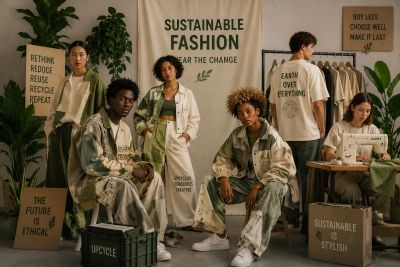
Fashion ranks as one of the most resource-intensive industries globally. One polyester T-shirt thrown away equals 761 gallons of polluted water. Circular fashion makes a difference. Support Ethical Brands | Upcycle and Repurpose | Keep clothes in use for as long as possible.
We believe, sustainable fashion isn’t about sacrificing style—it’s about elevating it with purpose. Let your wardrobe reflect not just who you are, but the world you want to create.

Fashion becomes political the moment it communicates something about power, identity, or belonging — which is why Black leaders have used it so intentionally. When you look closely, clothing isn’t just decoration in these speeches; it’s a vocabulary. It speaks before the speaker opens their mouth, and it keeps speaking long after the speech ends.
Streetwear, sneaker culture, and athleisure all have roots in Black communities—especially through hip‑hop, basketball, and skate culture. What began as expressions of identity became billion‑dollar global industries.
Hairstyles like braids, locs, fades, and afros have become symbols of pride and resistance.
Black fashion has often doubled as activism. Think of the Black Panthers’ leather jackets and berets, or the “Black Lives Matter” tees worn worldwide. Clothing became a way to speak without saying a word.
The natural hair movement challenged Eurocentric beauty standards and helped shift workplace and school policies.
Music-driven fashion—from jazz-era zoot suits to hip-hop’s oversized silhouettes to today’s luxury streetwear—has shaped how entire generations dress. They’ve pushed society to confront issues of discrimination, professionalism, and cultural acceptance.

Thanks for joining us foThe Tents 2026: First Look—The Makers & The Muses on Thursday, August 13th was a fundraising evening of culture, connection, and celebration. Thanks to all who joined us at the Southampton Cultural Center in Southampton, NY. Special thanks to contributor Ingenious Gin and our partner theSIPnyc.
The future awaits. As an organization dedicated to promoting Fashion and The Arts, the generosity and commitment of our Official Partners, Suppliers and Supporters is more vital than ever. Your generous assistance and contributions will enable us to meet our goals and continue our mission. Thank you in advance.

Your presence helped make this gathering a truly meaningful and memorable experience.
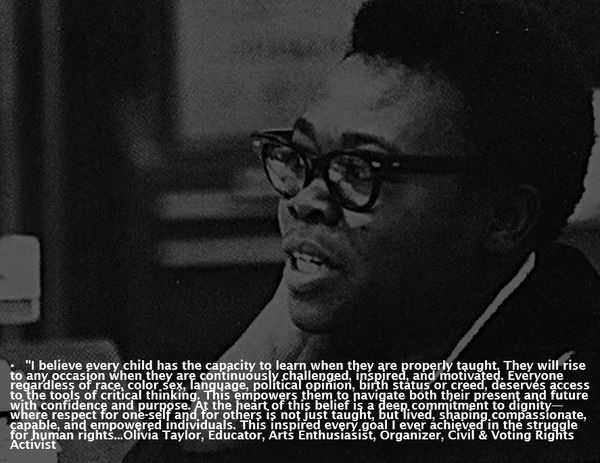
A special THANK YOU to Olivia Taylor & Keyera Newsome, the interview was well constructed and insightful.
To our performers: The Red Zone, Abdoulaye Toure & Company, Assemblywoman Nikki Lucas, and Onida Mayers, whose voices and talents brought depth and inspiration to the experience, your willingness to share and engage made the evening unforgettable.
To our guests, your energy, presence, and participation are what make events like this thrive. We hope you left feeling inspired, connected, and uplifted.
We look forward to welcoming you again next year!
With appreciation,
FATA Fund, Inc.

CONSCIOUS COUTURE: THE NEW LUXURY
Join us, as we celebrate craftsmanship, creativity, sustainability, and the people transforming
the way we live, work, and thrive.